People

Holly Aitken, PhD
Dr. Aitken received her BS in Mechanical Engineering from St. Ambrose University in 2015 and her MS in Biomedical Engineering from the University of Iowa in 2017. She earned her PhD in Biomedical Engineering from the University of Iowa in 2021, during which time she used three-dimensional computational modeling techniques to identify patient-specific surgical corrections that optimize the mechanical hip joint environment for young adults with hip dysplasia. Her current research focuses on musculoskeletal biomechanics of pediatric hip disorders, including hip dysplasia and slipped capital femoral epiphysis. Dr. Aitken’s research has received a Young Scientist Travel Award from the Force & Motion Foundation/Orthopaedic Research Society, Clinical Biomechanics Award (co-author) from the American Society of Biomechanics, Trainee Basic Research Award from ISHA – The Hip Preservation Society, and William H. Harris Award (co-author) from the Orthopaedic Research Society.

Marc Brouillette, PhD
Marc Brouillette is a research engineer specializing in custom machine design, instrumentation fabrication, and complex experimental design and data collection involving biological tissues. He earned a Bachelor of Science in Biochemistry from Iowa State University and a Master of Science and PhD in Biomedical Engineering from the University of Iowa, where his research focused on the molecular responses of cartilage tissue and cells to mechanical stimuli. Within the Orthopedic Biomechanics Laboratory, Marc works closely with faculty, trainees, and clinical collaborators to translate research needs into robust experimental platforms, including joint simulators, tissue and implant material testing devices, and custom fixtures and tools for research purposes. He oversees the full lifecycle of these systems—from initial concept and CAD design through fabrication, sensor integration, motion control, and development of data acquisition and analysis workflows. Marc also provides day-to-day support for ongoing studies by troubleshooting equipment, refining protocols, and mentoring students in the practical aspects of mechanical testing and instrumentation. By combining precision engineering with advanced manufacturing techniques such as CNC machining and 3D printing, he supports innovative projects across the University of Iowa’s research community.

Jessica Goetz, PhD
Title/Position
Associate Professor
Jess Goetz received both her Bachelors’ degree and her PhD in Biomedical Engineering from the University of Iowa. Her doctoral research involved using engineering and biomechanics approaches to develop and characterize a novel bipedal animal model of femoral head osteonecrosis that was susceptible to collapse. After graduation, she was a Research Engineer before joining the faculty on the Research Track, and then on the Tenure Track, all in the Department of Orthopedics and Rehabilitation at the University of Iowa. After getting the opportunity to bring biomechanical engineering approaches to several clinical problems, her current lines of research are centered on relating histologically apparent cartilage responses to mechanical load with underlying tissue mechanics in benchtop, computation, and preclinical models of joint injuries and deformity. She has won the Harris Award from the Journal of Orthopedic Research for her work in computational modeling of hips dysplasia and was featured on the Congressionally Directed Medical Programs website for her work in the Yucatan minipig model of post-traumatic osteoarthritis after intra-articular fracture. In addition to her research, she is also an active member of the Departmental Resident Research Committee, serves on the University Information Technology Advisory Committee, and is a Faculty Senator.

Joshua Johnson, PhD
Joshua Johnson received his BEng in Mechanical Engineering from the University of Botswana in 2006, and his MS in Mechanical Engineering from the University of Kansas in 2008. He received his PhD in Mechanical Engineering also from the University of Kansas in 2013. His doctoral work involved applying imaging and computational methods to study the influence of ligament injuries on wrist joint biomechanics and the effectiveness of surgical techniques to restore abnormal joint mechanics. Prior to his current role, he was a Postdoctoral Fellow at the Worcester Polytechnic Institute where he received training in bone mechanics and conducted research on various factors affecting bone health. As a Research Engineer, he currently provides support on projects related to computational modeling and image analysis, which include assessment of bone quality, mechanics and failure risk, intact and reconstructed joint mechanics, and implant mechanical and stability performance.
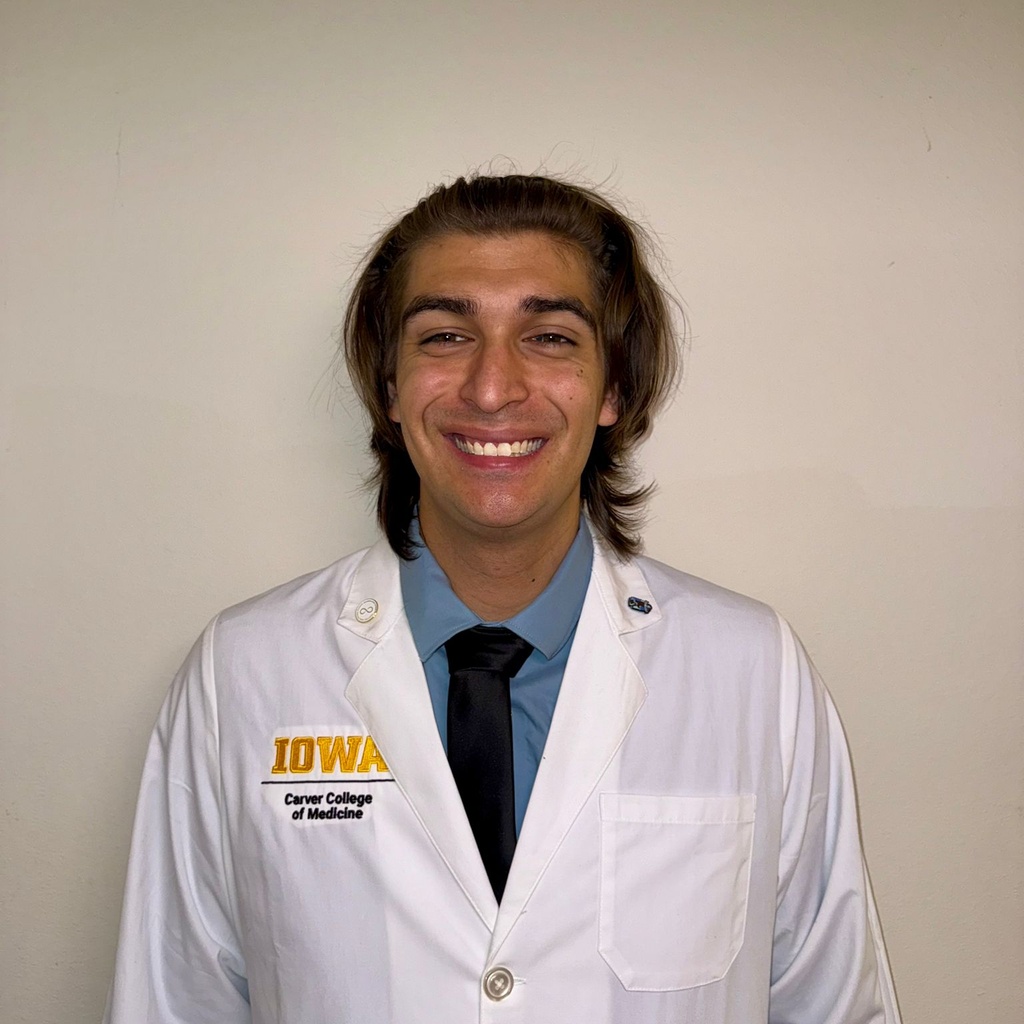
Dominic Rivas
Dominic Rivas received his BSE in Biomedical Engineering from the University of Iowa in 2023 and is currently an MD/PhD (MSTP) trainee at the same institution. His research focuses on computational biomechanics to enhance the diagnosis and surgical outcomes for patients with hip dysplasia. Specifically, he applies advanced techniques such as Discrete Element Analysis and weight-bearing CT imaging to investigate how to optimize treatments. Notably, Dominic has contributed to projects that simulate cartilage stress to refine acetabular reorientation during periacetabular osteotomy and has developed innovative methods for improving radiographic metrics using 3D modeling and digitally reconstructed radiographs. With multiple first-author conference presentations, publications, and extensive experience leading translational research from concept to completion, Dominic is deeply committed to advancing orthopedic care through engineering innovation.
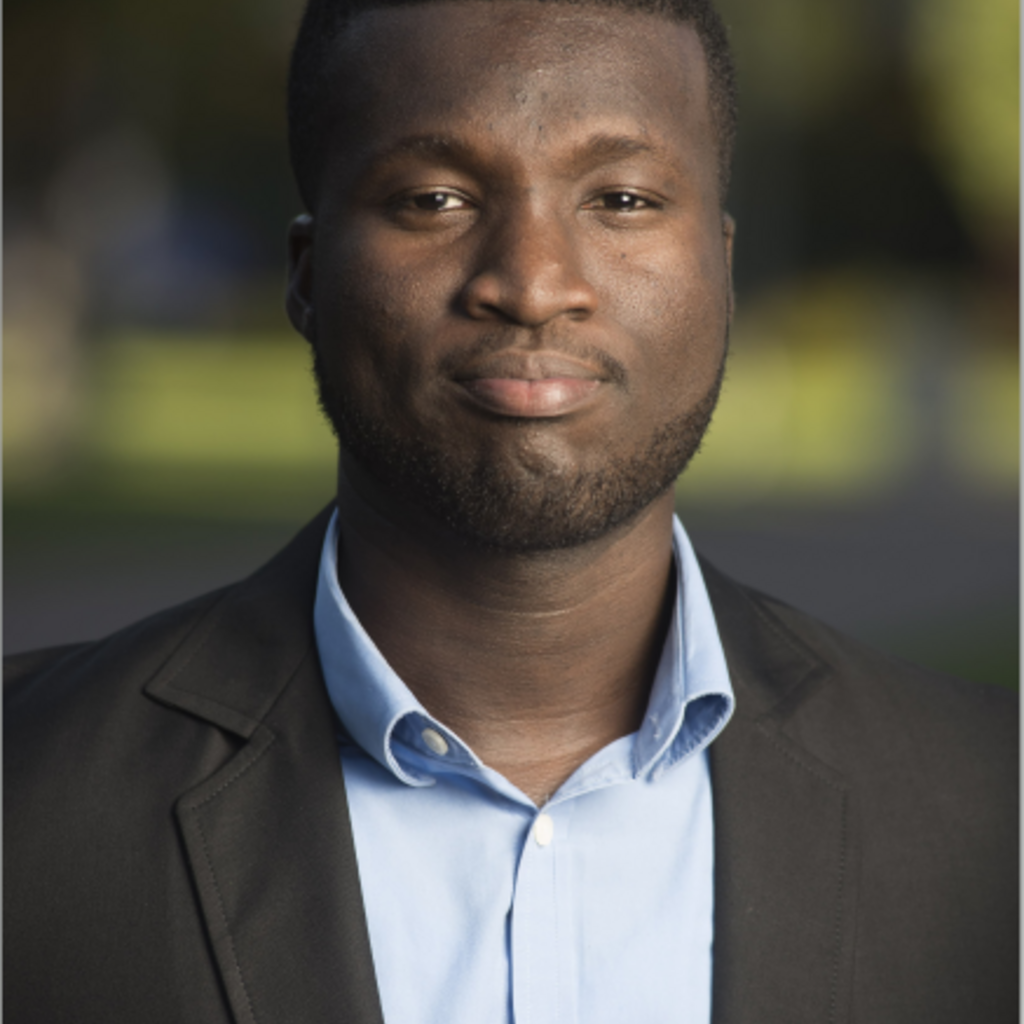
Max Sakyi, MS
Maxwell Sakyi received his BSc in Biomedical Engineering from the Kwame Nkrumah University of Science and Technology in 2019 in Ghana and his MS in Biomedical Engineering from Arizona State University in 2020 (MS 3+1+1). Leveraging his signal processing experience from his master’s program - where he developed algorithms using time-series and frequency-domain techniques for fall detection and segmentation of activities of daily living from large-scale wearable sensor data in Parkinson’s disease cohorts, he now applies similar analytical approaches to orthopedic research. He analyzes data generated by instrumented mechanical testing systems to study biological tissues and implants. He investigates bone, cartilage, and joint mechanics in support of developing clinically relevant models and analytical tools for translational research. This effort is complemented by micro-CT imaging for histomorphometric analysis of bone architecture, remodeling and fracture risk assessment. He is also involved in using high speed 3D imaging systems and digital image correlation in assessing strain and deformation in biological tissues and engineered constructs.
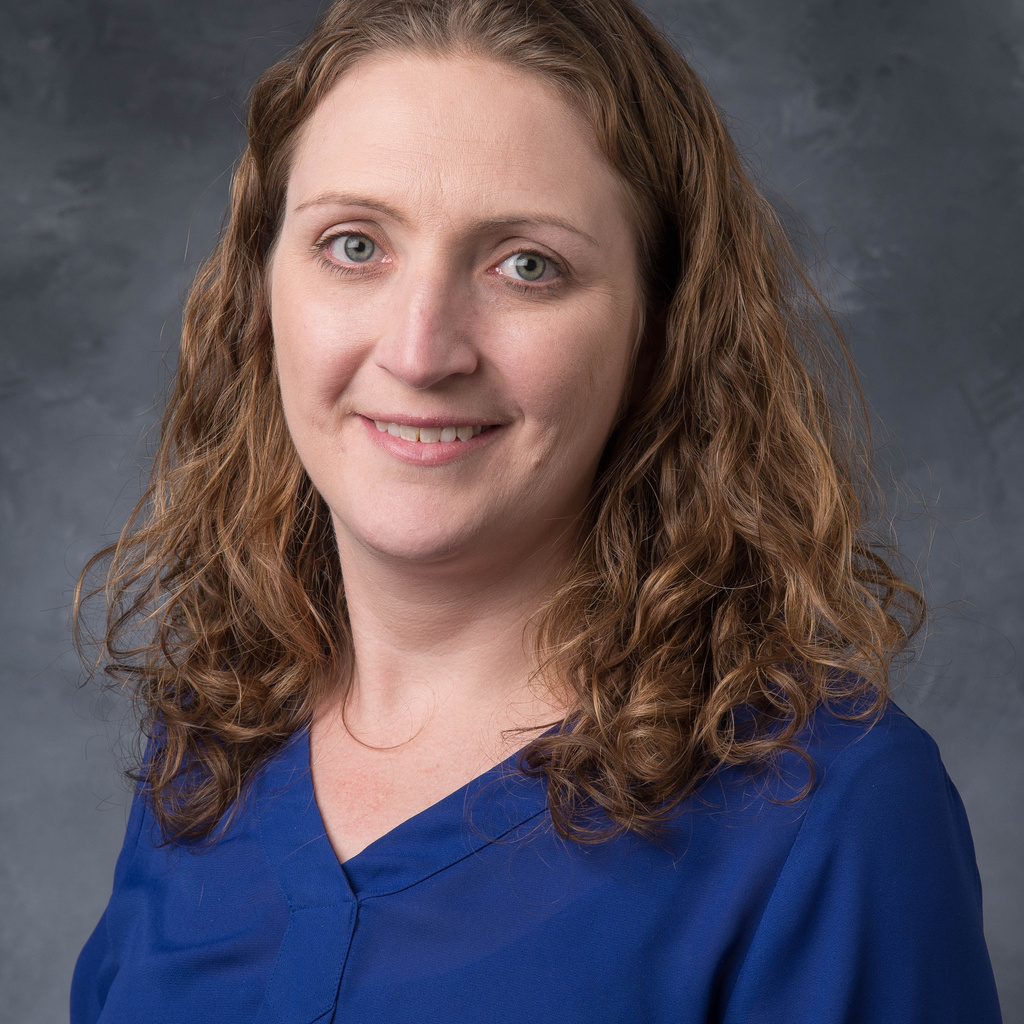
Nicole Watson, PhD
Nicole DeVries Watson is a research engineer focusing on biomechanics of bone, joints and soft tissues. She earned her BS, MS and PhD at the University of Iowa in Biomedical Engineering. Her doctoral research focused on the biomechanics of sheep cervical spine, with emphasis on finite element modeling and spine flexibility testing and how the animal model compares to the human. Her postdoctoral work included modeling of the knee and how changes in patellar length can affect other patellar ligaments. She currently oversees various biomechanics projects, assisting residents, surgeons, and researchers on projects ranging from bone and ligament mechanics, animal gait analysis, image analysis, and device design utilizing CAD modeling and 3D printing.